Who Is Liable for Borrowed Car Accidents?
Posted on: March 12, 2026
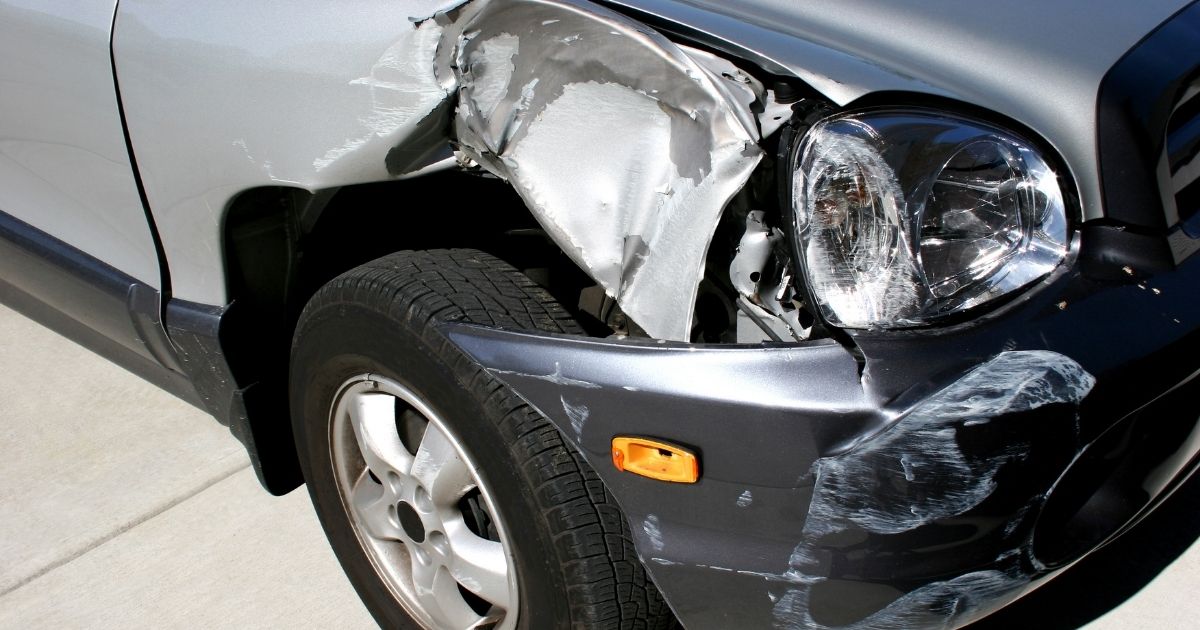
Borrowing a friend’s car to run a quick errand or lending a vehicle to a family member seems like a simple act of kindness, yet when a car accident happens, the legal aftermath can surprise everyone involved. Many people assume the driver is always responsible, while others believe the car’s owner has nothing to worry about. The reality is more layered than that, because liability in borrowed vehicle accidents depends on several factors.
Does the Owner’s Insurance Cover a Borrowed Car Accident?
In most cases, yes, because auto insurance is generally attached to the vehicle itself. The owner’s liability coverage typically responds first when a permitted driver causes an accident, while the driver’s own insurance may act as secondary coverage if damages exceed the owner’s policy limits. Coverage can vary significantly depending on the insurer and the specific terms of the policy.
What Is Permissive Use, and Why Does It Matter?
Permissive use refers to whether the car owner gave the driver permission to use the vehicle. Most auto insurance policies follow the vehicle rather than the driver, which means the owner’s insurance typically provides primary coverage when someone drives with permission. Although this protects the driver in many situations, the owner’s policy may still face claims and potential rate increases as a result.
What Happens When the Driver Did Not Have Permission?
When someone takes a vehicle without the owner’s knowledge or consent, the legal situation shifts. The unauthorized driver becomes personally liable for damages, and the owner’s insurance may deny coverage entirely because no permission was granted. Proving a lack of permission can require documentation or witness testimony, which makes these cases more difficult to resolve quickly.
Can a Car Owner Be Held Personally Liable?
Yes, a car owner can face personal liability in certain situations, even when someone else was driving. If the owner knowingly lent the car to an unlicensed driver, a person with a history of reckless driving, or someone who was visibly impaired, the owner may be held negligent under a legal theory called negligent entrustment. Courts examine what the owner knew, or reasonably should have known, before handing over the keys.
What Is Negligent Entrustment, and When Does It Apply?
Negligent entrustment applies when a vehicle owner allows someone to drive who poses a foreseeable risk to others on the road. For example, a parent who allows an inexperienced teenager to drive without proper supervision may share liability if an accident occurs. Because foreseeability is central to this theory, courts examine the relationship between the owner and the driver, along with any prior knowledge of dangerous behavior.
How Do New Jersey Laws Affect Borrowed Car Accident Claims?
New Jersey follows a no-fault insurance system, where each driver’s personal injury protection coverage pays for medical expenses regardless of who caused the accident. No-fault rules do not eliminate liability claims for serious personal injuries, which means injured parties may still pursue compensation from the at-fault driver or vehicle owner. New Jersey also applies a comparative negligence standard, so damages may be reduced based on each party’s percentage of fault.
What Compensation May Be Available After a Borrowed Car Accident?
Injured parties may be able to recover compensation for medical expenses, lost wages, pain and suffering, and property damage, depending on the severity of the accident and available insurance coverage. When the at-fault driver carries minimal or no insurance, the injured person’s own uninsured or underinsured motorist coverage may help fill that gap. An experienced car accident lawyer can evaluate all potential sources of recovery based on the specific facts of the case.
Freehold Car Accident Lawyers at Ellis Law Can Determine Responsibility When Liability Is Disputed
Regarding a borrowed vehicle crash, if responsibility is in question, contact the Freehold car accident lawyers at Ellis Law. Our legal team is ready to resolve the issue. Call us at 732-308-0200 or complete our online form today for a free consultation. We have offices in Monmouth County, New Jersey, including Middletown, Neptune City, and Freehold, as well as New York, and we serve clients in New Jersey and New York.