
Rear-End Collisions: Who Is Usually at Fault?
Posted on: May 15, 2026
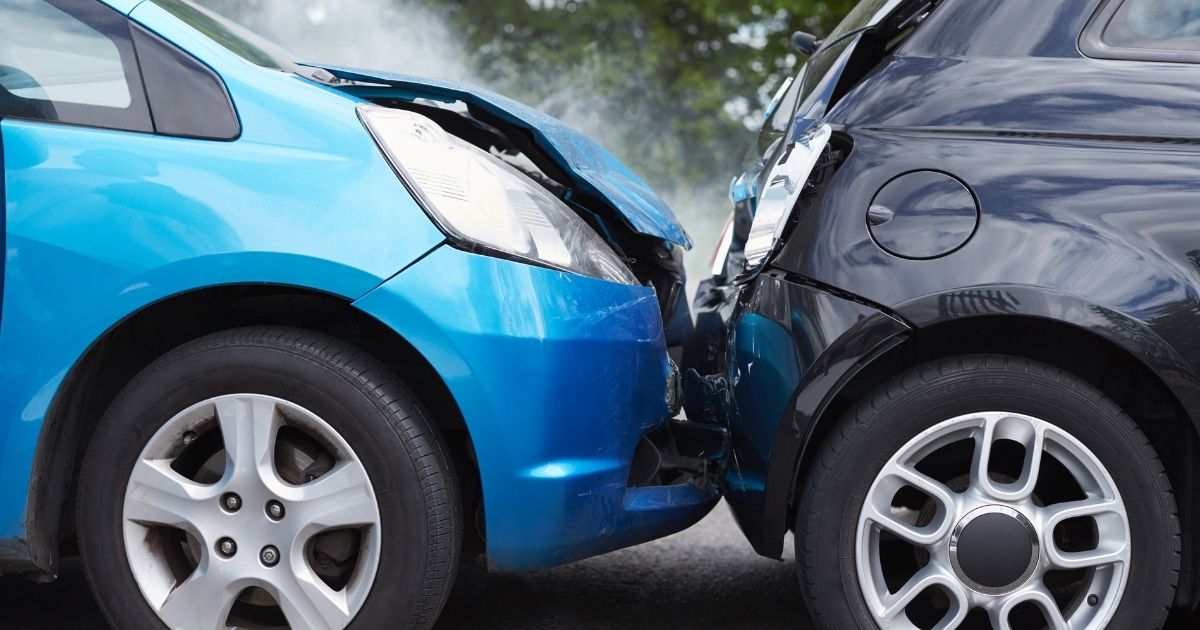
Traffic can change quickly on busy New Jersey roads, and a brief distraction or unsafe following distance can lead to a rear-end collision. Then, questions about fault arise immediately afterward. Although many car accidents involve the rear driver striking the vehicle ahead, liability also depends on road conditions, weather, and the evidence gathered after the accident.
Who Is Usually at Fault in a Rear-End collision?
In most rear-end collisions, the driver who strikes the vehicle ahead is generally considered at fault. New Jersey law requires drivers to maintain a safe following distance, even though traffic conditions may change without warning.
Why Are Rear Drivers Often Considered Responsible?
Rear drivers are often considered responsible because drivers must leave enough space to stop safely. When traffic slows suddenly, following too closely may prevent a driver from stopping in time. Although weather and road conditions can affect braking distance, courts often review whether the rear driver acted reasonably under the circumstances.
Can the Front Driver Share Fault for a Rear-End Crash?
The front driver may share fault in certain situations, especially if their vehicle’s brake lights were not working or if the vehicle stopped unexpectedly without reason. Unsafe lane changes or reckless driving may also contribute to liability disputes.
How Does Comparative Negligence Apply in New Jersey?
New Jersey follows “comparative negligence” rules, which allow fault to be divided between drivers. A person may recover damages if the assigned fault does not exceed 50%, although compensation is reduced by that percentage.
What Evidence Helps Prove Fault After a Rear-End Collision?
Police reports, witness statements, photographs, and traffic camera footage may help establish fault after a rear-end collision. Insurance companies also review vehicle damage and road conditions while evaluating claims. Evidence may disappear quickly, so collecting information soon after the accident is critical for proving liability.
Can Distracted Driving Cause Rear-End Collisions?
“Distracted driving” is a leading cause of rear-end collisions because drivers may fail to notice slowing traffic ahead. Looking at a phone, adjusting vehicle controls, or eating while driving can reduce reaction time. As traffic patterns shift quickly on roads such as the Garden State Parkway, even a short distraction may lead to an accident.
What Injuries Are Common After a Rear-End Collision?
Rear-end collisions often lead to neck, back, and shoulder injuries because the force of impact may move occupants suddenly. Some injuries appear immediately, while others develop over time as stiffness and pain increase. Because symptoms may worsen after the crash, medical evaluations are often recommended even after lower-speed accidents.
Frequently Asked Questions:
How long do I have to file a claim in New Jersey?
New Jersey generally allows two years from the date of a car accident to file a personal injury lawsuit. While insurance claims may begin shortly after the collision, court deadlines still apply if legal action becomes necessary.
Can a rear-end collision affect insurance rates?
A rear-end collision may affect insurance rates, even when a driver was not at fault. While fault influences premium increases, some insurers also review claim history when adjusting rates after an accident.
Can passengers file claims after a rear-end collision?
Passengers injured in a rear-end collision may pursue claims for medical expenses and other damages. The potential compensation depends on the insurance coverage and fault findings.
Our Skilled Freehold Car Accident Lawyers at Ellis Law Hold Negligent Drivers Accountable for Their Actions
A serious rear-end collision can cause injuries, property damage, and financial hardship. To learn about your legal options, contact our Freehold car accident lawyers at Ellis Law. For a free consultation, call today at 732-308-0200 or complete our online form. With offices in New Jersey and New York, we proudly serve clients throughout both states.