
What Should I Know About Truck Accidents Involving Hazardous Materials?
Posted on: January 12, 2026
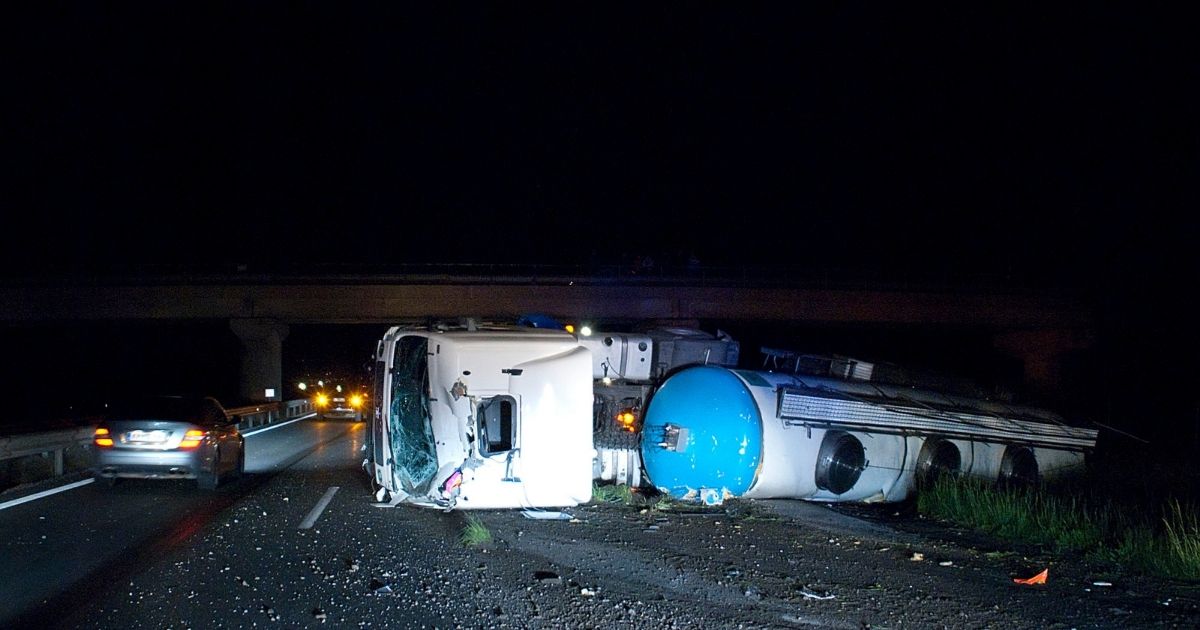
Every day, thousands of commercial trucks transport hazardous materials across highways and through neighborhoods. These shipments include flammable liquids, toxic chemicals, corrosive substances, and radioactive materials that keep industries running. Although most deliveries proceed without incident, truck accidents involving these dangerous cargoes can transform routine collisions into catastrophic events. When a tanker overturns or a cargo container ruptures, entire communities face potential evacuation, environmental contamination, and serious health risks.
What Makes Hazardous Material Truck Accidents Different From Standard Collisions in Freehold?
These accidents differ drastically from typical truck collisions because of the dangerous substances involved. Federal regulations require special licensing, training, and equipment for drivers transporting hazmat cargo. Collision scenes often demand specialized emergency response teams, extended road closures, and environmental cleanup operations. The injuries that survivors face may include chemical burns, respiratory damage, or long-term health effects from toxic exposure. Additionally, property damage can extend far beyond the immediate crash site, affecting businesses, homes, and natural resources throughout the surrounding area.
Who Regulates Hazardous Material Transportation?
Multiple federal and state agencies oversee hazmat transportation. The Department of Transportation establishes packaging, labeling, and routing requirements through the Federal Motor Carrier Safety Administration. The Environmental Protection Agency monitors environmental impacts and cleanup procedures; state transportation departments enforce additional regulations specific to their jurisdictions. These overlapping rules create strict compliance requirements for trucking companies and drivers, with violations potentially establishing liability after a crash.
What Types of Hazardous Materials Do Trucks Commonly Carry?
Petroleum products like gasoline and diesel fuel are among the most frequently transported hazmat cargo on American roadways. Industrial chemicals such as acids and solvents also travel through commercial corridors, alongside compressed gases like propane and chlorine that require specialized containers. Agricultural operations depend on the transport of pesticides and fertilizers that pose significant spillage risks, while medical facilities generate biohazardous waste requiring careful handling. Each material classification demands specific handling procedures and emergency response protocols.
What Evidence Matters Most in Hazardous Material Truck Accident Cases?
Gathering evidence after a hazmat spill presents unique challenges, particularly when evacuation orders prevent immediate scene access. Medical records documenting exposure and treatment prove vital to establishing personal injury claims, while photographs and videos taken from safe distances help demonstrate the spill’s extent. Witness statements from evacuees or emergency responders provide a valuable perspective on the incident’s timeline and impact. Government investigation reports offer technical details about the cause, and transportation company records regarding driver qualifications, vehicle maintenance, and cargo documentation can reveal compliance failures. Environmental testing results further demonstrate contamination levels and the scope of cleanup requirements necessary to restore affected areas.
Can Multiple Parties Be Held Liable in Hazardous Material Truck Accidents?
Liability can extend to multiple parties in hazmat crashes, creating a web of potential responsibility. Truck drivers may bear direct responsibility for operational errors, while trucking companies face liability for inadequate training, maintenance failures, or regulatory violations. Cargo shippers can be held accountable for improper packaging or labeling, and maintenance contractors may share responsibility when equipment failures contribute to the accident. Third-party drivers who caused the initial collision could also face claims, and government entities occasionally face liability for road design or maintenance issues. Each party’s insurance coverage and available assets directly affect the potential recovery options available to injured parties.
Can I Sue for Damages?
The compensation process typically begins with insurance claims filed against responsible parties. However, settlement offers often fall short of covering extensive medical bills, lost income, and property damage from hazmat exposure. When negotiations fail to produce fair compensation, filing a lawsuit may become necessary. Legal action allows injured parties to pursue full recovery for both immediate and long-term damages, including ongoing medical treatment and diminished quality of life resulting from the accident.
Freehold Truck Accident Lawyers at Ellis Law Will Protect Your Rights After a Hazardous Material Truck Accident
If you were injured by a truck carrying hazardous materials, contact our Freehold truck accident lawyers at Ellis Law. We will protect your rights and fight to secure fair compensation. Call us today at 732-308-0200 or complete our online form today for a free consultation. We have offices in Monmouth County, New Jersey, including Middletown, Neptune City, and Freehold, as well as New York, and we serve clients in the surrounding areas.