
Can Underinflated Tires Cause a Car Accident?
Posted on: February 27, 2026
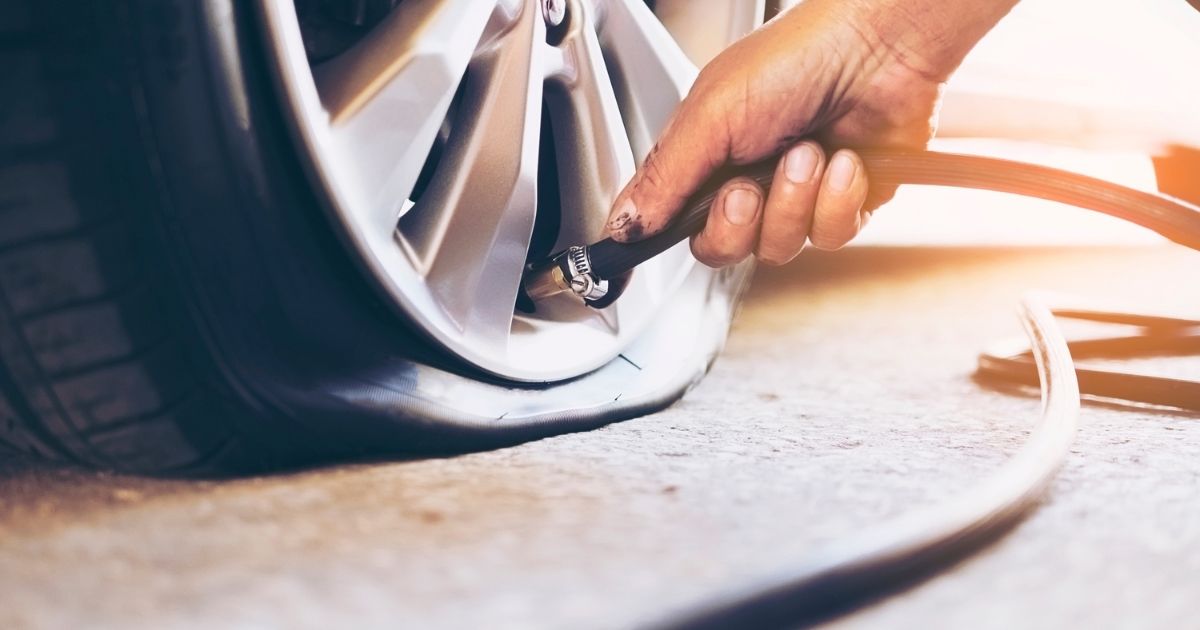
Most drivers rarely think about tire pressure until a warning light appears on the dashboard. However, tires that lack proper air pressure create serious safety risks that should not be ignored. Underinflated tires affect how a car handles, stops, and responds to road conditions, which makes them a hidden danger for countless motorists. Although checking tire pressure might seem like a minor maintenance task, this simple step can mean the difference between arriving safely at a destination and being involved in a car accident.
How Can Underinflated Tires Lead to Crashes?
When tires lack adequate air pressure, they cannot maintain proper contact with the road surface, which reduces traction and handling ability. This problem becomes especially dangerous during emergency maneuvers where drivers need quick steering responses. Studies show that vehicles with underinflated tires require longer stopping distances, making rear-end collisions more likely. Additionally, low tire pressure causes excessive heat buildup, which can lead to sudden tire failure at highway speeds.
How Does Low Tire Pressure Affect Vehicle Control?
Low tire pressure compromises a driver’s ability to control their vehicle in multiple ways. The tire’s sidewalls flex more than they should, creating unstable handling that makes steering feel sluggish and unpredictable. This excessive flexing also causes uneven tire wear patterns that further reduce grip on the road. During turns, underinflated tires cannot maintain their shape properly, which increases the risk of skidding or losing control. Wet or icy conditions amplify these dangers because the tire’s reduced contact area provides even less traction.
What Are the Warning Signs of Underinflated Tires?
Drivers can identify underinflated tires through several noticeable signs before serious problems develop. The steering wheel may pull to one side, indicating uneven tire pressure between the left and right sides of the vehicle. A car might also feel less responsive when turning or require more effort to steer than usual. Newer vehicles include tire pressure monitoring systems that illuminate a dashboard warning light when pressure drops below recommended levels; visual inspection can also reveal tires that appear flatter or more bulged at the bottom than properly inflated ones.
How Often Should Drivers Check Tire Pressure?
Tire pressure should be checked at least once per month and before any long trips. Temperature changes cause air pressure to fluctuate, with tires typically losing about one pound per square inch for every 10-degree drop in temperature. Seasonal transitions require extra attention because these pressure changes happen gradually and often go unnoticed. Drivers should always check tire pressure when tires are cold, meaning the vehicle has been parked for at least three hours. The correct pressure level appears on a sticker inside the driver’s door jamb, not on the tire sidewall.
Who Is Liable When Underinflated Tires Cause a Crash?
Liability for accidents caused by underinflated tires depends on the specific circumstances surrounding the collision. Drivers generally bear responsibility for maintaining their vehicles in a safe operating condition, including proper tire inflation. However, mechanics or tire shops may share liability if they failed to properly inflate tires during recent service; tire manufacturers could face claims if defects caused rapid air loss that led to the accident. A car accident lawyer investigates all potential liable parties and carefully sources evidence to build cases that revolve around underinflated tires. This helps clients pursue full and fair compensation for their damages.
Freehold Car Accident Lawyers at Ellis Law Will Hold Negligent Parties Accountable
You may be entitled to compensation for a crash caused by underinflated tires. To learn more, contact the Freehold car accident lawyers at Ellis Law. Call us at 732-308-0200 or complete our online form today for a free consultation. We have offices in Monmouth County, New Jersey, including Middletown, Neptune City, and Freehold, as well as New York, and we serve clients in New Jersey and New York.