
What Are Some Weather-Related Truck Accident and Liability Issues?
Posted on: March 6, 2026
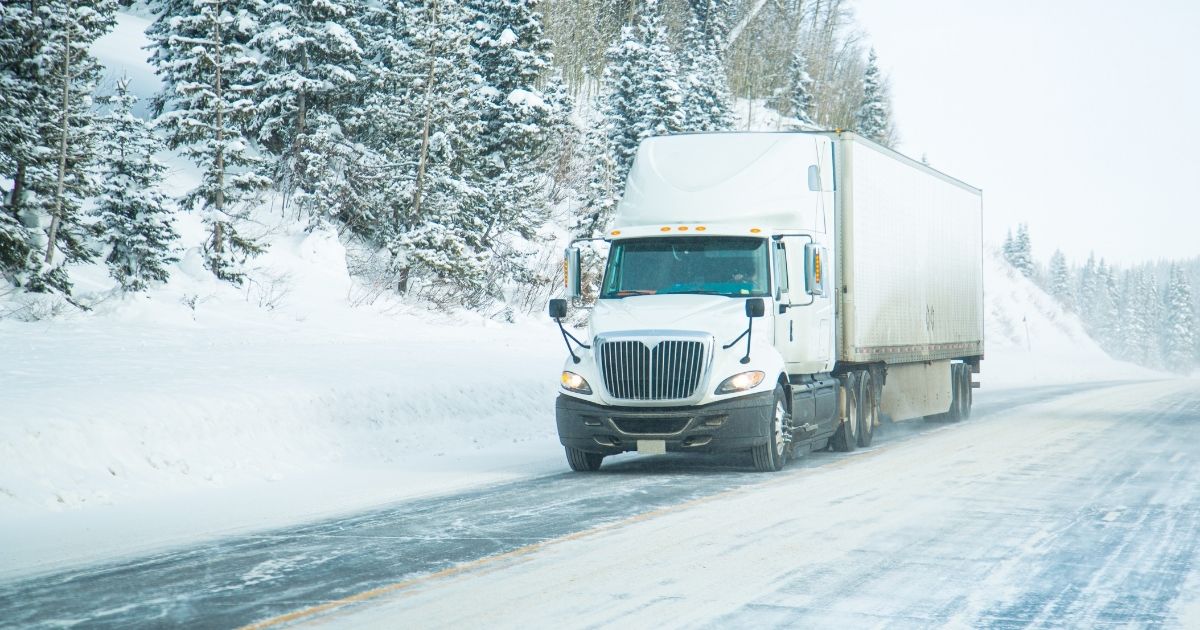
Driving alongside a massive commercial truck during a thunderstorm or snowfall can make anyone nervous: When visibility drops, and roads become slick, the risks multiply dramatically for everyone on the highway. Large trucks require significantly more distance to stop than passenger vehicles, which means that weather conditions affecting traction and visibility create dangerous situations. Thousands of truck accidents occur each year when rain, snow, fog, or ice transform routine trucking operations into hazardous journeys.
What Makes Trucks More Dangerous in Bad Weather?
Commercial trucks weigh up to 80,000 pounds when fully loaded, which means they need much longer stopping distances than cars. When rain or snow reduces tire grip on pavement, that stopping distance increases even further. Besides that, high winds can push these tall vehicles into adjacent lanes, while heavy rain creates spray that blinds nearby drivers. The combination of size, weight, and reduced control makes trucks particularly threatening when the weather deteriorates.
Who Bears Responsibility When Weather Causes a Truck Crash?
Liability in weather-related truck accidents generally depends on whether the driver and trucking company acted reasonably given the conditions. Although no one controls the weather, truck drivers must adjust their speed, following distance, and routes based on forecasts and road conditions. Companies that pressure drivers to maintain schedules despite dangerous weather may share responsibility for resulting crashes. Courts examine whether the driver should have pulled over or slowed down rather than continuing in hazardous conditions.
What Roles Do Truck Manufacturers and Equipment Maintenance Play in Weather Crashes?
Worn tires, faulty brakes, and broken windshield wipers turn manageable weather into deadly situations. Trucking companies must maintain their fleets to handle various weather conditions safely, while manufacturers must design systems that perform in rain, snow, and ice. For instance, bald tires cannot channel water away from road surfaces, leading to hydroplaning; defective braking systems or inadequate anti-lock brake designs can cause control loss on slick roads. Both maintenance records and equipment design become important evidence when weather contributed to a collision.
Are Trucking Companies Required to Monitor Weather Conditions?
While no specific federal regulation mandates weather monitoring, trucking companies have general duties to maintain safe operations under Federal Motor Carrier Safety Administration (FMCSA) rules. Companies that push drivers to meet deadlines despite dangerous weather warnings may face negligence claims if accidents result. Responsible carriers track forecasts and communicate road hazards to their drivers as part of standard safety practices.
Can Drivers Refuse to Operate in Dangerous Weather?
Federal regulations prohibit carriers from requiring drivers to operate vehicles when conditions make safe operation hazardous. Drivers have the right to refuse assignments when weather creates unsafe conditions, such as blizzards or ice storms that prevent safe vehicle control. However, drivers should document their safety concerns and base refusals on genuine hazards rather than minor discomfort, as disputes may require evidence.
What Roles Do Truck Manufacturers and Equipment Maintenance Play in Weather Crashes?
Worn tires, faulty brakes, and broken windshield wipers turn manageable weather into deadly situations. Trucking companies must maintain their fleets to handle various weather conditions safely. Bald tires cannot channel water away from the road surface, leading to hydroplaning. Additionally, brake systems compromised by poor maintenance can fail when drivers need them most on wet or icy roads. Maintenance and manufacturing documentation become critical evidence when poor weather contributed to a truck crash.
Freehold Truck Accident Lawyers at Ellis Law Stand Ready to Fight for Your Rights After a Weather-Related Crash
If you need legal answers about weather-related truck accidents and liability, contact the Freehold truck accident lawyers at Ellis Law. Our legal team is ready to review your case and pursue fair compensation. Call us at 732-308-0200 or complete our online form today for a free consultation. We have offices in Monmouth County, New Jersey, including Middletown, Neptune City, and Freehold, as well as New York, and we serve clients in New Jersey and New York.